From Network Rituals to Skip Buttons: The Changing Art of TV Opening Credits


We dive into the evolution of television opening credits from the network era to streaming platforms, tracing how technology, viewing habits, music, design, and business rules reshaped those first crucial seconds. Remember waiting for a catchy ident before primetime? Now a tiny button tempts you to skip. Discover why sequences grew lush and cinematic, then suddenly shrank, how brand sounds became cultural signals, and where artistry still thrives. Share your favorite opening moments, tell us what you never skip, and subscribe if you want more deep explorations of craft behind the screen.

Broadcast Necessities Shaped a Ritual
Thirty, Sixty, Ninety: The Clocks That Ruled

Network grids enforced predictable lengths—often around thirty to sixty seconds—so producers could guarantee space for sponsorships and legal credits. Editors engineered cuts to hit exact timecodes, while composers wrote motifs that resolved neatly within the slot. Those constraints rewarded clarity and memorability over nuance. The result was unmistakable intros that could survive syndication cuts, re-airings, and hurried channel surfing, ensuring brand recall even when viewers arrived late with popcorn in hand.
Names Before Story: Guild Rules and Credit Hierarchies

Network grids enforced predictable lengths—often around thirty to sixty seconds—so producers could guarantee space for sponsorships and legal credits. Editors engineered cuts to hit exact timecodes, while composers wrote motifs that resolved neatly within the slot. Those constraints rewarded clarity and memorability over nuance. The result was unmistakable intros that could survive syndication cuts, re-airings, and hurried channel surfing, ensuring brand recall even when viewers arrived late with popcorn in hand.

Analog Wizardry: Optical Printers, Matte Art, and Patience

Network grids enforced predictable lengths—often around thirty to sixty seconds—so producers could guarantee space for sponsorships and legal credits. Editors engineered cuts to hit exact timecodes, while composers wrote motifs that resolved neatly within the slot. Those constraints rewarded clarity and memorability over nuance. The result was unmistakable intros that could survive syndication cuts, re-airings, and hurried channel surfing, ensuring brand recall even when viewers arrived late with popcorn in hand.

From Jingles to Orchestral Signatures
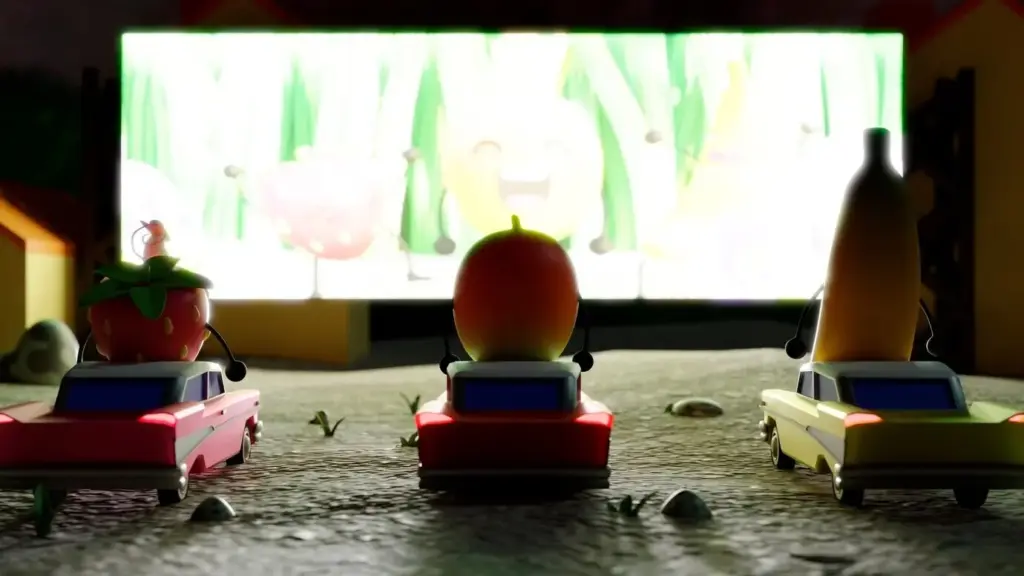
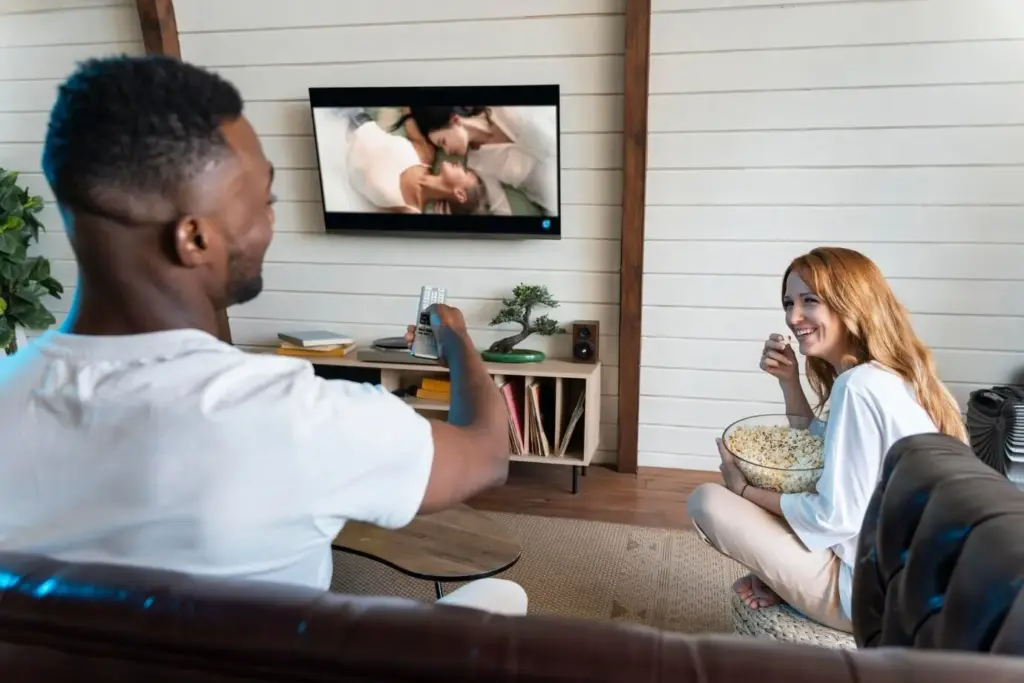
Signature music once functioned like a station’s handshake—catchy, repeatable, and instantly recognized across living rooms and car radios. Over time, cable prestige invited fuller arrangements, darker textures, and cinematic production values that demanded attention. In streaming, two-second stingers became global brand beacons, while licensing, rights negotiations, and algorithmic retention concerns influenced musical length and repetition. The best scores still announce place, tone, and stakes before a single line of dialogue. Which melody still transports you back decades with one unmistakable bar?

World-Building Before Minute One

Opening sequences do more than decorate; they compress lore, tone, and promise into a minute or less. A collage of locations can sketch a city’s heartbeat; a symbolic fall can imply an empire’s fragility. Some intros teach you how to watch—playfully, somberly, or with conspiratorial curiosity. Others play like pledges, reminding you what matters most in the story’s universe. When you think about a show you love, how much of its magic arrives before the first line? Tell us in the comments and compare notes.

When Patience Was Prestige

Cable’s ascent reintroduced ceremony. Long, immersive openings were not a nuisance but a doorway, signaling scale and seriousness. Appointment viewing fostered communal rituals: lights dimmed, phones down, attention surrendered. Title sequences became cultural events, their imagery and music as discussed as plot twists. Studios specializing in main titles emerged as auteurs, partnering with showrunners to craft dense visual essays. If you ever watched with friends who forbid talking during the opening, you’ve felt that reverent spell that prestige television cast.

The Skip-Intro Dilemma

Streaming interfaces recalibrated the first minute of storytelling. A prominent button offers efficiency, especially during binges, yet risks eroding artistry and credit visibility. Some productions answer with micro-intros that retain identity without testing patience; others weave credits into cold opens or vary length based on episode needs. Meanwhile, data scientists watch retention curves, and brand teams defend sonic marks. Creators juggle audience convenience, legal recognition, and expressive intent, all while one click decides whether their work even gets noticed.

Global Audiences, Universal Signals

{{SECTION_SUBTITLE}}
Clarity Across Languages and Cultures
Designers choose imagery that resonates universally: places, gestures, and textures that communicate tone without idiom-heavy text. Typefaces with strong x-height and careful kerning stay readable even on small screens. Color palettes consider cultural connotations, avoiding unintended meanings. Music favors distinctive motifs over lyric-heavy cues that resist translation. The result is a welcoming doorway for first-time viewers from anywhere, inviting them into the world confidently before dialogue or captions shoulder the narrative load.

Compliance Without Clutter

Credits must satisfy legal obligations for attribution, sometimes varying by region or co-production rules. Intelligent layouts and animation pacing ensure names remain visible without overwhelming style or story. When additional partners join later seasons, sequences adapt gracefully rather than balloon into noisy billboards. This discipline respects both recognition and clarity. Thoughtful hierarchy, spacing, and timing allow the screen to breathe, keeping the opening elegant while honoring the people whose labor shapes what follows.

What Comes Next

Tomorrow’s openings may adapt in real time—length shrinking when you’re deep in a season, expanding for premieres, or changing imagery based on character arcs you’ve just seen. Interactive formats could hide discoveries linked to your viewing path. Spatial audio and emerging devices might turn a living room into a subtle stage. Yet recognition remains vital: names deserve daylight. How would you balance personalization with credit visibility? Drop your ideas, subscribe for future deep dives, and help imagine smarter, kinder intros.
Nokotaxupevenaloku
Privacy Overview

This website uses cookies so that we can provide you with the best user experience possible. Cookie information is stored in your browser and performs functions such as recognising you when you return to our website and helping our team to understand which sections of the website you find most interesting and useful.